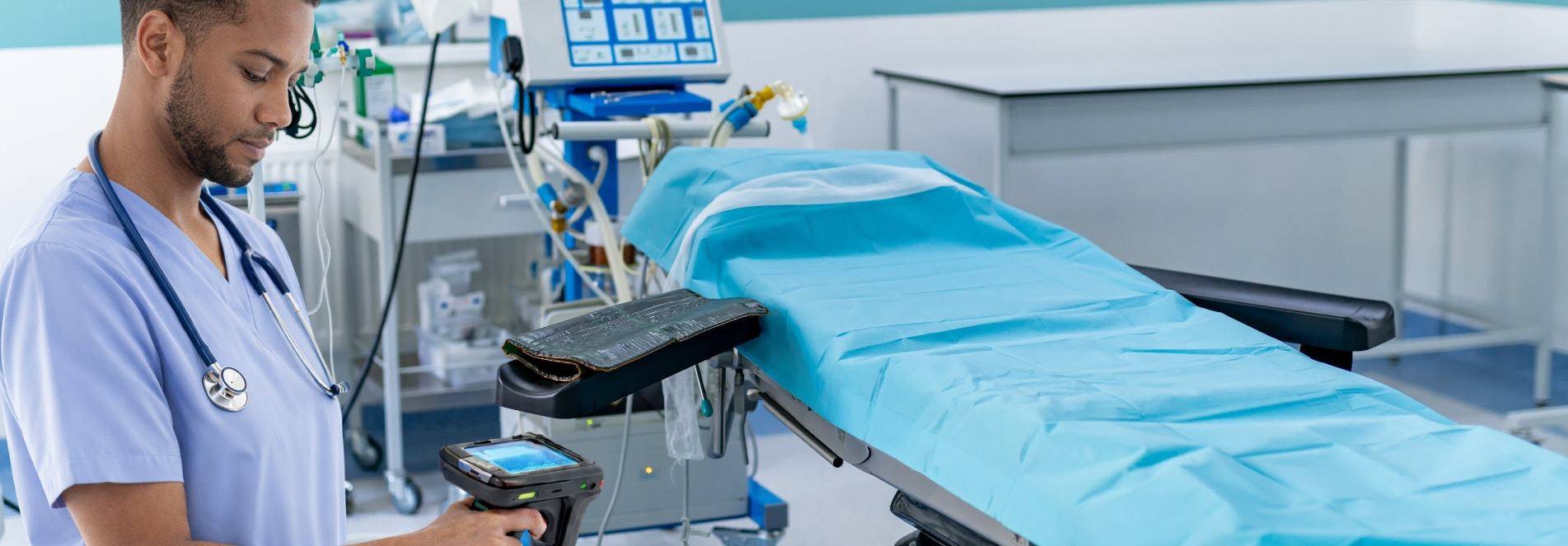
Inventory RFID Asset Management 1903 x 663 v8 001

How Much It Costs You Not to Know Where Medical Assets Are

Introduction

In today's healthcare environment, operational efficiency directly impacts both patient care quality and financial sustainability. Yet, a critical blind spot persists in many healthcare facilities: the inability to locate and track medical equipment in real-time. This seemingly simple challenge carries profound financial and operational consequences that extend far beyond misplaced equipment.

The Hidden Financial Impact

The financial toll of poor asset visibility is staggering. Research from the University of Texas, Austin reveals that US hospitals lose approximately $4,000 per bed annually due to lost, misplaced, or stolen medical devices. For a 200-bed hospital, this translates to $800,000 in annual losses—money that could be redirected toward patient care, facility improvements, or advanced medical technology.

The ripple effects extend further. Without accurate asset location data, healthcare facilities typically purchase 20-50% more equipment than they actually need. This over-procurement creates a domino effect of increased costs: higher inventory carrying costs, additional storage requirements, increased maintenance expenses, and accelerated equipment depreciation.

The Operational Efficiency Crisis

Beyond direct financial losses, the inability to locate medical equipment creates operational bottlenecks that compromise care delivery. According to Markets and Markets research, one-third of nurses spend up to one hour per shift searching for necessary medical devices. This represents 12.5% of their working time—time that should be dedicated to patient care, not asset hunting.

Consider the cascading impact of this time waste:

  • Delayed patient treatments and procedures
  • Increased patient wait times
  • Staff frustration and decreased morale
  • Reduced bed turnover rates
  • Compromised emergency response capabilities

The Compound Challenge

Modern healthcare facilities face a perfect storm of asset management challenges:

  • Hundreds or thousands of assets moving throughout facilities daily
  • Multiple departments sharing critical equipment
  • High-value equipment vulnerable to theft or loss
  • Regulatory compliance requirements for asset tracking
  • Aging manual tracking systems prone to errors
  • Complex workflows across multiple facility zones

The Real-Time Location Solution

Asset tracking technology provides the visibility healthcare facilities need to overcome these challenges. By implementing Real-Time Location Systems (RTLS), facilities gain instant, accurate location data for every tracked asset. These systems leverage technologies including Bluetooth Low Energy (BLE), Ultra-Wide Band (UWB), RFID, and GPS to create comprehensive asset visibility.

Modern RTLS solutions like SmartX HUB combine hardware infrastructure with intelligent software platforms to deliver actionable insights. The system architecture typically includes:

  • BLE beacons, RFID readers, or GPS trackers attached to assets
  • Receiver infrastructure deployed throughout the facility
  • Cloud-based software platform for data processing and visualization
  • Mobile applications for staff access
  • Integration capabilities with existing hospital management systems

Measurable Benefits and ROI

Healthcare facilities implementing comprehensive asset tracking solutions report dramatic improvements across multiple dimensions:

1. Time Savings

Search time for medical equipment drops from an average of 30 minutes to under 3 minutes. This 90% reduction frees nurses and clinical staff to focus on patient care, effectively adding thousands of productive hours annually.

2. Cost Reduction

Accurate asset visibility eliminates unnecessary procurement. Facilities typically reduce equipment purchases by 20-30%, generating savings that often exceed the system implementation cost within 12-18 months.

3. Asset Utilization

Real-time location data reveals underutilized equipment and enables better asset distribution. This optimization can increase equipment utilization rates by 40-60%, maximizing return on existing investments.

4. Maintenance Optimization

Analytics on equipment usage patterns enable predictive maintenance scheduling, reducing downtime and extending asset lifespan. Facilities report 15-25% reductions in maintenance costs and unplanned equipment failures.

5. Regulatory Compliance

Automated tracking ensures compliance with regulatory requirements for asset management, maintenance records, and audit trails. This reduces compliance-related workload and risk exposure.

The SmartX HUB Advantage

SmartX HUB delivers enterprise-grade asset tracking specifically designed for healthcare environments. Our platform combines proven IoT technology with healthcare domain expertise, serving major institutions including Hospital Albert Einstein, JBS Foods, and Petrobras.

Key capabilities include:

  • Multi-technology support: RFID, BLE, GPS, and hybrid solutions
  • Sub-meter accuracy for precise location tracking
  • Real-time alerts and notifications for asset movement
  • Comprehensive analytics and reporting dashboards
  • Mobile and web-based interfaces for staff access
  • Integration with existing EMR and hospital information systems
  • Scalable architecture supporting facilities from 50 to 50,000+ assets
  • ISO 55001 compliance support for asset management standards

Beyond Asset Tracking: Comprehensive Safety Solutions

Once RTLS infrastructure is deployed, healthcare facilities can extend these capabilities to personnel safety and patient monitoring. SmartX HUB supports wearable devices for staff safety monitoring, patient wandering prevention, and emergency response coordination.

This includes real-time location monitoring for vulnerable patients (elderly, Alzheimer’s, psychiatric), automated alerts for unauthorized area access, and integration with emergency response systems for rapid staff mobilization during critical events.

The Path Forward

The question is no longer whether healthcare facilities can afford to implement asset tracking technology—it’s whether they can afford not to. The costs of poor asset visibility compound daily through lost equipment, wasted staff time, over-procurement, and compromised patient care.

Forward-thinking healthcare organizations recognize that real-time asset intelligence is not a luxury but a necessity. By implementing comprehensive tracking solutions like SmartX HUB, facilities transform asset management from a cost center into a strategic advantage—improving operational efficiency, reducing costs, and ultimately enabling better patient care.

The technology exists. The ROI is proven. The only question is when your facility will make the transition from reactive asset management to proactive asset intelligence.

More Related Topics

Explore our blog for insightful articles, personal reflections and ideas that inspire action on the topics you care about.